About Cakd
We built the thing we needed while we were engaged.
Cakd began with a proposal in South Africa, and with the year afterwards when we could not work out why nothing was moving.
He asked on the fourth day.
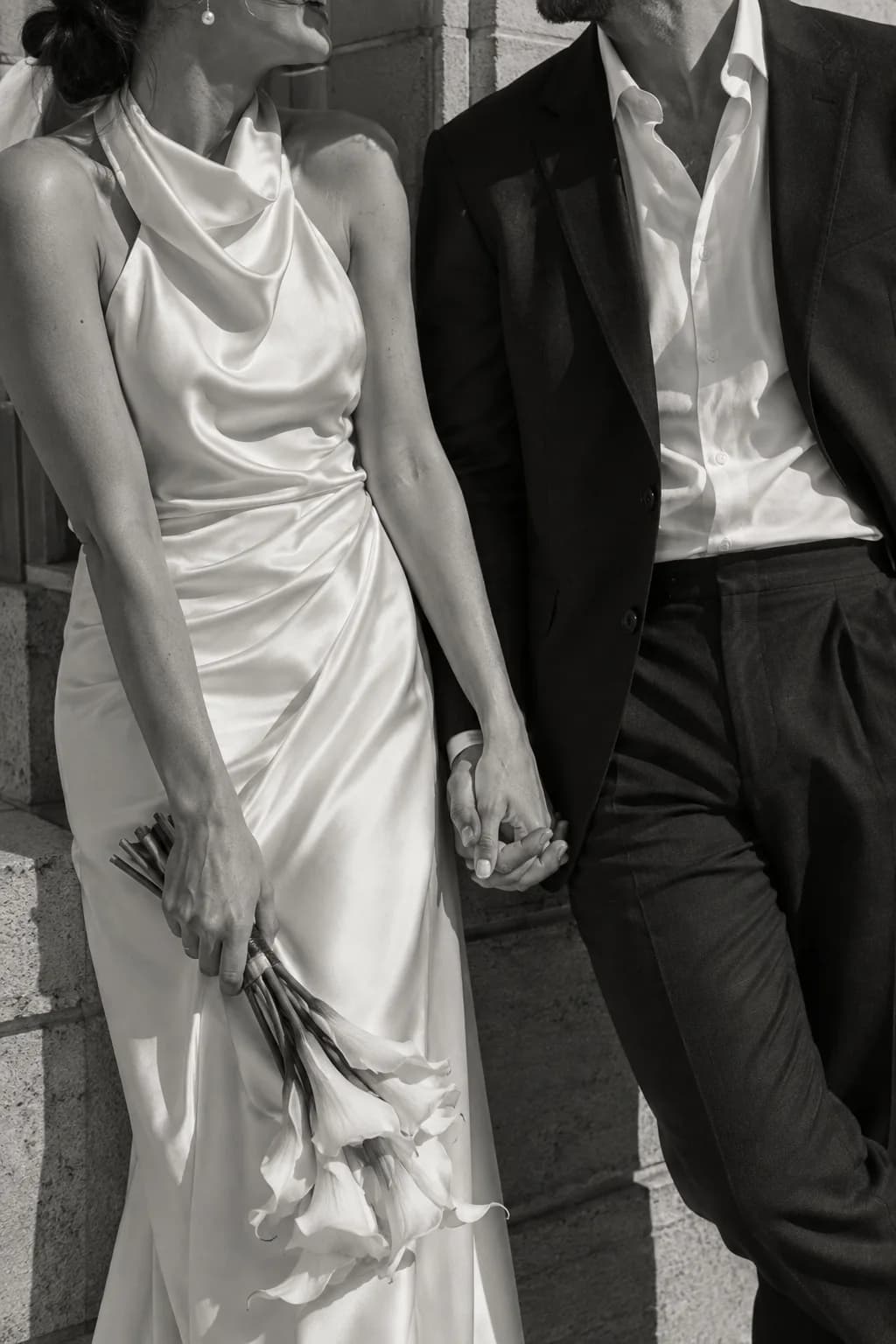
Sander proposed on a road trip, somewhere on the long stretch between Cape Town and the Cederberg, at a roadside stop I would never otherwise have remembered. There was a great deal of wind. I was holding my hair out of my face with one hand and I said yes before he had properly finished the sentence.
We drove on. We told nobody for two days, because we wanted it to be ours for a little longer. Then we told everybody at once from a guesthouse with almost no reception, and spent that evening reading messages out loud to each other while the phone hunted for a signal.
The first weeks at home were easy. We made a shared document and put the budget in it, then the guest list, then a rough month. We felt organised. I think most couples get about three good weeks like that.
Then it stopped being one document.
The venue wanted a rough guest count before they would hold a date. Our families could not give us a number until they knew roughly when it was. The caterer quoted per head, so the budget moved every time the guest list moved, and the guest list moved every time somebody remembered a cousin. The florist answered on Instagram. The photographer answered by email. My mother answered by voice note, at length.
None of it was a disaster, and that was the strange part. Nothing went wrong. There was no setback we could point at. There was a version of the guest list in a spreadsheet, a different one in a message thread, and a third one in my head, and no way to tell which was true.
We were not stressed, exactly. We were behind, or we thought we were, and we had no way of checking. That is a particular and tiring feeling. It is the feeling of opening a document on a Tuesday night, reading it for twenty minutes, changing a single cell, and closing it again.
We were not stressed, exactly. We were behind, or we thought we were, and we had no way of checking.
Our engagement had an anniversary before our wedding had a date.
I want to be straightforward about how that felt, because it is the reason this company exists. It did not feel like failing. It felt like something had quietly happened to us while we were being reasonable and busy.
We had spent a year making decisions that each depended on a decision we had not made yet. Every tool we tried assumed we already knew the answers. Checklists told us to book a florist. None of them could tell us that the florist was waiting on the venue, that the venue was waiting on a number, and that the number was the only thing standing between us and the rest of it.
So we built the missing part.
Sander builds software. I had spent six years running events, which everyone assured us would make this easy, and did not. Between us we had every tool the internet recommends and we were still losing evenings.
We started building for ourselves, at first only to settle arguments. The first version was not a product. It was one page that answered a single question: what is actually blocking the next decision? Not what is overdue. Not what is left. What is in the way, right now, of the one choice that unlocks the others.
That is still the question Cakd answers, and it is still the reason people stay with it.

What that turned into.
One number, everywhere.
Change the guest count once and the budget, the catering estimate and the seating plan change with it. A wedding falls apart in the gaps between documents, so we removed the gaps.
Decisions before details.
Favours, signage and playlists are not what hold a wedding up. A handful of early decisions constrain everything else, and Cakd keeps those in front of you until they are made.
Built to be handed over.
Couples work with planners, families and vendors. Everyone who needs to see the plan can see the part that concerns them, without another spreadsheet leaving your hands.
We did get married.
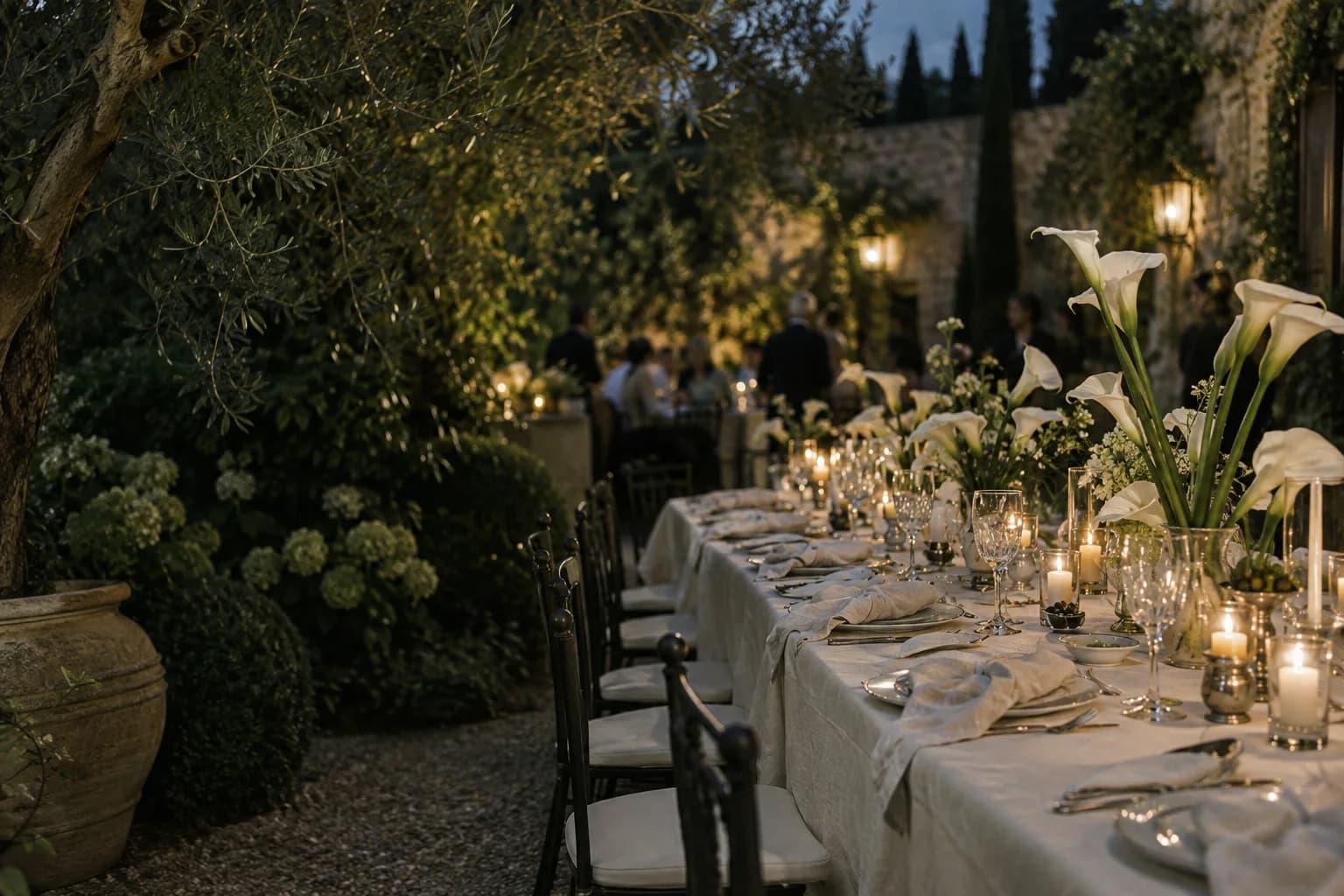
Smaller than we first imagined, and much better for it. By then we had been building Cakd for long enough that we planned our own wedding inside it, which is either a good sign or a slightly worrying one.
We are two people who found the planning harder than it needed to be and decided to fix it properly. If you are somewhere in the middle of it now, wondering whether you are behind, we know exactly how that feels.
Elise